
A Journey Through Time: The Evolution of Destination Weddings
The concept of a destination wedding, where couples exchange vows far from their hometowns, has a rich and fascinating history.
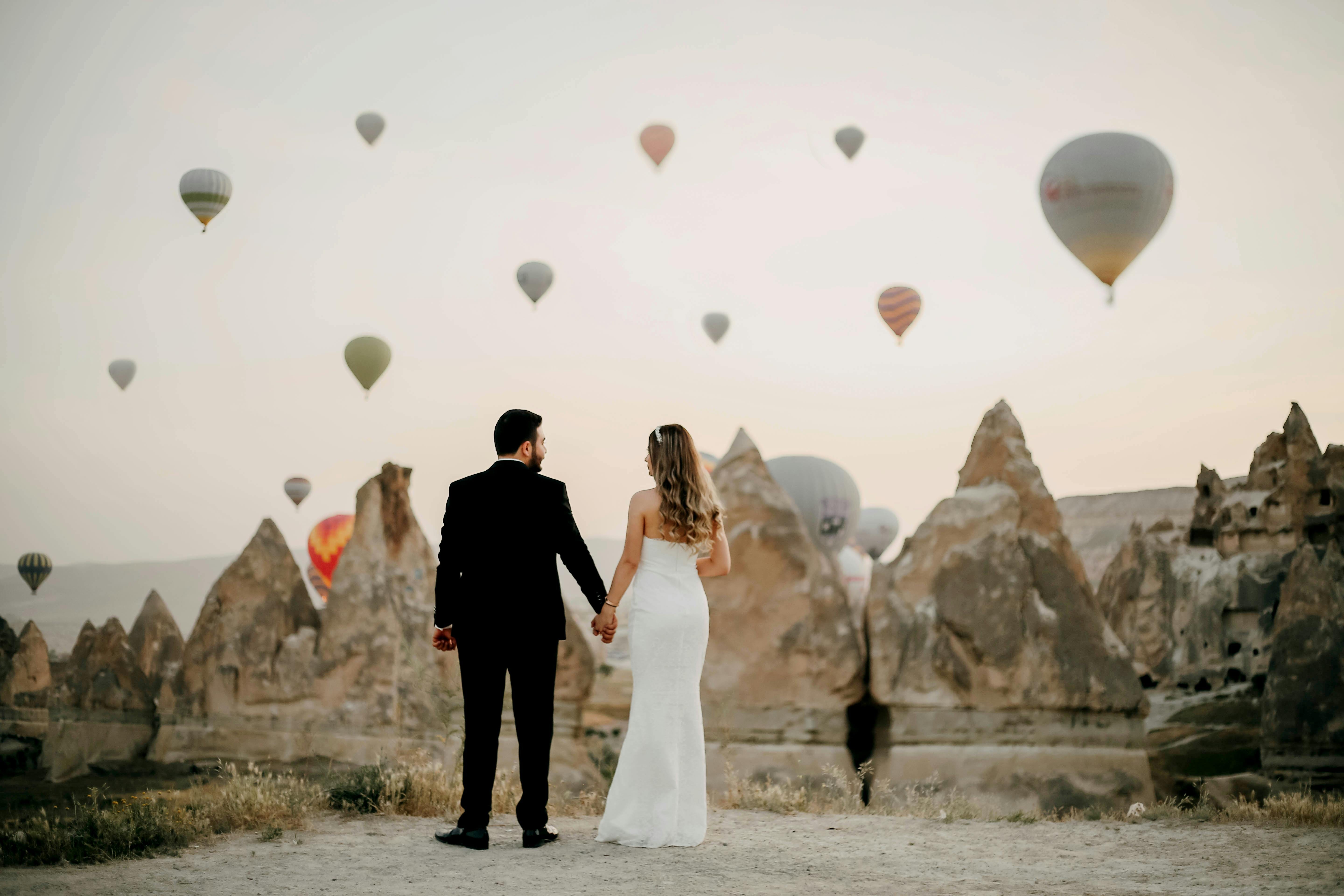
The concept of a destination wedding, where couples exchange vows far from their hometowns, has a rich and fascinating history. These celebrations, once a luxury reserved for the elite, have evolved significantly, reflecting shifting societal values, technological advancements, and a growing desire for unique and personalized experiences.
The roots of destination weddings can be traced back to the Gilded Age (late 19th and early 20th centuries) when wealthy Americans embarked on "Grand Tours" of Europe. These journeys, often undertaken by young aristocrats and aspiring socialites, were a rite of passage. They sought not only to broaden their horizons but also to solidify their social standing. Lavish weddings held in iconic European cities like Paris, Rome, and Venice became a hallmark of these Grand Tours, serving as a display of wealth and social prominence.
American heiresses frequently married European aristocrats in opulent settings, solidifying transatlantic social and economic ties. These events were meticulously planned, with attention to every detail, from the designer gowns and bespoke suits to the elaborate floral arrangements and the finest champagne.
The advent of commercial air travel revolutionized travel, making distant lands more accessible and affordable. This democratization of air travel opened up a world of possibilities for couples seeking unique wedding destinations. The Caribbean islands, with their pristine beaches and luxurious resorts, quickly became popular choices. Hawaii, with its lush landscapes and vibrant culture, also emerged as a sought-after destination.
This era saw a shift towards emphasizing romance and relaxation. Couples sought idyllic settings for their nuptials, where they could exchange vows in a serene and picturesque environment. The focus began to shift from grand displays of wealth to creating intimate and memorable experiences for themselves and their closest loved ones.
The late 20th and 21st centuries witnessed a significant evolution in the concept of destination weddings. Couples began to prioritize personalization and authenticity. Instead of simply choosing a popular tourist destination, they sought locations that resonated with their individual interests and values. This led to a surge in popularity for a diverse range of destinations, including:
Secluded Islands: The Maldives, Fiji, and the Greek islands like Santorini offered pristine beaches, crystal-clear waters, and luxurious overwater bungalows, creating a truly idyllic setting for a romantic escape.
Charming Villages: Couples gravitated towards charming villages in Tuscany, Provence, and the Cinque Terre, captivated by the rustic charm, rolling vineyards, and picturesque landscapes.
Vibrant Cultural Hubs: Destinations like Marrakech, Bali, and Thailand offered a unique blend of cultural immersion, adventure, and relaxation, allowing couples to incorporate elements of the local culture into their wedding celebrations, such as enjoying traditional cuisine, participating in local activities, and supporting local artisans.
The modern era also saw a rise in intimate gatherings. Couples began to prioritize smaller, more intimate ceremonies with close friends and family, fostering deeper connections and creating a more relaxed and personal atmosphere. This trend also aligned with a growing desire for simplicity and a focus on meaningful experiences over extravagant displays.
Technological advancements have played a crucial role in shaping the modern landscape of destination weddings. The internet provides couples with access to countless resources, from researching destinations and comparing venues to connecting with vendors and seeking inspiration from other couples. Online platforms have facilitated the planning process, allowing couples to communicate with wedding planners, book accommodations, and coordinate travel arrangements with ease.
Social media has become a powerful tool for sharing wedding photos and videos, showcasing the beauty and uniqueness of these special occasions. Platforms like Instagram and Pinterest are filled with stunning imagery of destination weddings, inspiring couples and providing a wealth of ideas and inspiration.
As travel continues to evolve, so too will the landscape of destination weddings. We can expect to see a continued rise in popularity for sustainable and eco-friendly destinations, as couples become increasingly conscious of their environmental impact. A growing emphasis on authentic cultural experiences will likely drive couples to seek destinations that offer opportunities for meaningful interactions with the local community.
Furthermore, the rise of "micro-weddings" and "elopements" suggests a continued shift towards smaller, more intimate gatherings. Couples may opt for intimate ceremonies in breathtaking locations, followed by extended honeymoon periods, allowing them to savor the experience and create lasting memories.
The history of destination weddings is a testament to the evolving nature of human connection and the enduring desire for unique and meaningful experiences. From the opulent celebrations of the Gilded Age to the intimate and personalized gatherings of today, destination weddings continue to evolve, offering couples a diverse range of options to celebrate their love in truly unforgettable ways.
Disclaimer: This article is for informational purposes only and does not constitute professional travel or wedding planning advice.